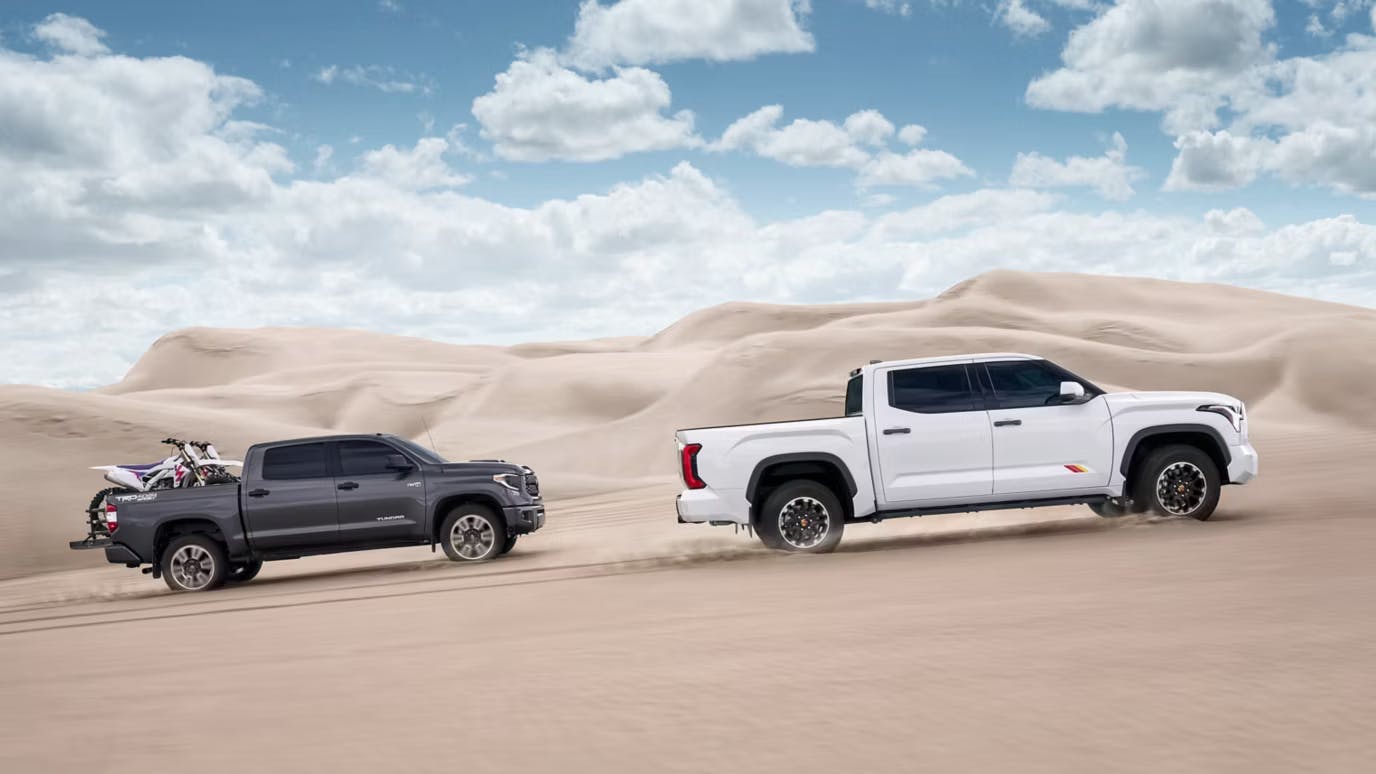
Define Your Needs
Think about passenger space, cargo room, daily mileage, towing, commuting, weekend recreation, fuel economy, technology, and whether you need additional capability for Southern Utah travel.


 4.6
4.6
From choosing the right Toyota and comparing new versus used vehicles to financing, leasing, trade-ins, electrified models, ToyotaCare, service, and ownership, this guide gives Southern Utah shoppers a practical place to start.
A successful vehicle purchase starts before you choose a trim or talk about monthly payments. The first step is identifying what you need the vehicle to do, how you plan to use it, and which ownership costs matter most to you.
Think about passenger space, cargo room, daily mileage, towing, commuting, weekend recreation, fuel economy, technology, and whether you need additional capability for Southern Utah travel.
Consider more than the purchase price. Your overall vehicle budget can include a down payment, monthly payment, insurance, fuel, maintenance, registration, and other ownership expenses.
Narrow your search by body style and powertrain before comparing individual models, trims, features, and available inventory.
Toyota offers cars, SUVs, trucks, minivans, hybrids, plug-in hybrids, and battery electric choices, giving shoppers the ability to compare very different vehicle types within one brand.
For many shoppers, Toyota's broad lineup makes it possible to begin with a need instead of a specific model. A commuter may prioritize efficiency and maneuverability, while a growing family may need additional seating and cargo space. Drivers who regularly explore beyond the pavement may focus on ground clearance, four-wheel-drive capability, or towing.
Toyota also offers several electrified choices. That means shoppers interested in reducing fuel use can compare conventional hybrids, plug-in hybrids, and battery electric vehicles alongside traditional gasoline-powered models.
Use the dealership's Toyota research resources to explore individual models, features, specifications, and vehicle comparisons as you narrow your list.
Neither choice is automatically better. The right answer depends on your budget, desired features, ownership timeline, financing options, and how much flexibility you want when selecting a vehicle.
A new Toyota can be a strong fit if you want current features, a specific trim or configuration, new-vehicle warranty coverage, and access to applicable new-vehicle incentives.
A used vehicle may make sense if purchase price is a major priority or you want to compare vehicles across multiple model years, trims, brands, and price ranges.
Instead of starting with every Toyota model at once, begin with the vehicle category that best matches your daily life.
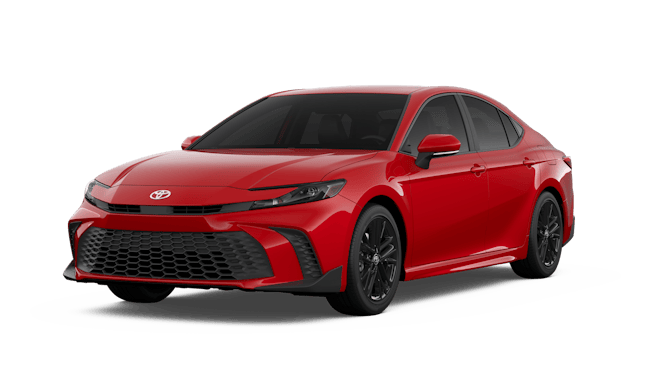
Sedans and passenger-focused vehicles can be a natural fit for commuting, everyday driving, family transportation, and shoppers who value road manners and efficiency.
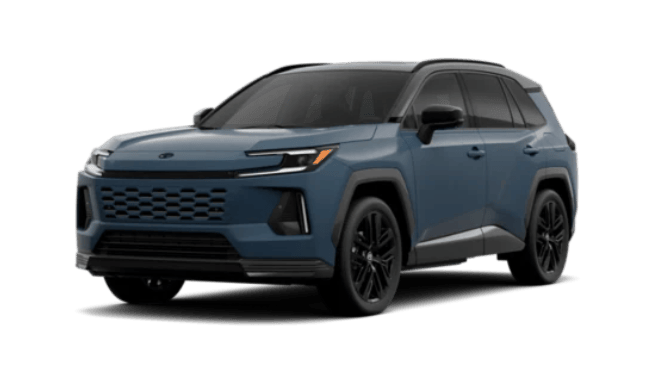
These vehicles can provide additional cargo flexibility, ride height, passenger capacity, towing capability, or off-road-focused features depending on model and configuration.
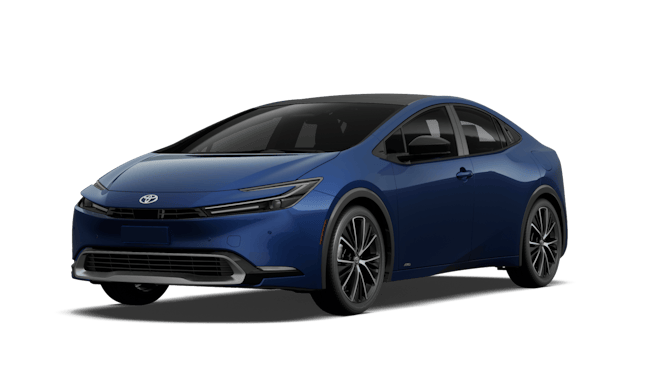
Toyota shoppers can compare several types of electrified powertrains, making it useful to understand the differences before deciding which technology fits your driving routine.
Electrified does not describe one single type of vehicle. Understanding how the different systems work can make your Toyota search much easier.
A conventional hybrid combines a gasoline engine with electric assistance. The vehicle manages the system automatically, so routine external charging is not required.
A plug-in hybrid adds a larger battery that can be charged externally and can provide electric-only driving under appropriate conditions before operating as a hybrid.
A battery electric vehicle uses electric motors instead of a gasoline engine and requires charging from an external power source.
Online research can narrow your choices, but a test drive helps determine whether a vehicle actually feels right in everyday use.
Try to evaluate the vehicle in the same way you expect to use it. Check seating comfort, outward visibility, controls, infotainment, storage, cargo access, and ease of entry and exit.
If multiple family members will regularly use the vehicle, bring them into the decision when practical. A vehicle that looks ideal on paper may feel very different once everyone is seated inside.
Financing determines how the purchase price is divided between money paid upfront and money repaid over time. Comparing the entire financing structure is more useful than looking only at a monthly payment.
Your interest rate affects the cost of borrowing. Rates may vary based on factors such as credit history, lender requirements, term length, vehicle, and available programs.
A longer term can reduce the monthly payment but may increase the total amount of interest paid. Compare the complete loan cost before selecting a term.
Cash paid upfront and positive equity from a trade-in may reduce the amount being financed, depending on the transaction.
Buying and leasing serve different ownership goals. Understanding how each option works can help you decide which structure better matches your driving habits and long-term plans.
| Consideration | Buying | Leasing |
|---|---|---|
| Ownership | You own the vehicle after satisfying the financing obligation. | The leasing institution owns the vehicle unless you complete an available purchase option. |
| Payments | Payments apply toward purchasing the vehicle. | Payments generally cover the portion of the vehicle being used during the lease term plus applicable charges. |
| Mileage | No contractual lease mileage limit applies after purchase. | Lease agreements typically include mileage terms. |
| Customization | Owners generally have more freedom to modify their vehicles. | Lease return requirements can limit modifications. |
| End of Term | After the loan is paid, the vehicle is yours. | Depending on your lease, options may include return, replacement, or purchase. |
A trade-in can simplify the transition from your current vehicle into your next one by incorporating your vehicle's value into the transaction.
The dealership evaluates your current vehicle and provides an offer based on factors that can include its year, make, model, mileage, condition, equipment, history, and current market conditions.
If you still have an auto loan, the payoff amount is also important. The difference between your vehicle's value and the amount owed helps determine whether you have positive or negative equity.
You do not necessarily need to purchase another vehicle to explore selling your current vehicle. Visit the dealership's sell and trade resource to learn more about the available process.
Offers can change over time and may have eligibility requirements, so shoppers should review current programs rather than relying on an older advertised deal.
Review currently available Toyota offers and determine whether any programs may apply to the vehicle you are considering.
Dealership-specific specials can provide another way to identify vehicles worth comparing during your shopping process.
ToyotaCare is an important ownership benefit to understand when comparing qualifying new Toyota vehicles.
ToyotaCare provides a no-cost maintenance plan on qualifying new Toyota vehicles for normal factory-scheduled maintenance for 2 years or 25,000 miles, whichever comes first.
It also includes 24-hour roadside assistance for 2 years with unlimited mileage. Coverage, eligibility, and program terms should be reviewed for the specific vehicle you are purchasing.
Vehicle ownership includes maintenance, tires, brakes, replacement parts, inspections, and occasional repairs. Understanding where you plan to service your Toyota is part of making an informed purchase.
The purchase is only the beginning of the ownership experience. Regular maintenance helps you care for the vehicle throughout the years ahead.
The dealership service center can assist with factory-recommended maintenance and automotive services for Toyota owners.
Toyota owners can also access parts resources for maintenance, repair, and vehicle needs through the dealership's parts department.
Working with a local Toyota dealership gives shoppers a single resource for inventory, financing, trade-ins, leasing questions, maintenance, and parts.
Compare new Toyota vehicles and pre-owned options while discussing differences in models, trims, equipment, and availability.
Access financing, leasing information, trade-in resources, and current offers within the same dealership experience.
Return for Toyota service, maintenance, and parts after taking your vehicle home.
Use this checklist to organize your research before making your final decision.
Quick answers to common questions from Toyota shoppers in St. George and throughout Southern Utah.
It depends on your priorities. Buying new may appeal to shoppers who want current features, new-vehicle coverage, and access to applicable incentives. Buying used may appeal to shoppers who prioritize purchase price and want to compare more model years and price points.
Financing is generally designed for shoppers who want to purchase and ultimately own the vehicle. Leasing may appeal to shoppers who prefer driving a vehicle for a defined term and are comfortable with lease requirements such as mileage and vehicle condition terms.
Yes. A dealership can evaluate your current vehicle and provide a trade-in offer. If you have an existing loan, the payoff balance will also be considered when determining the equity position.
The dealership provides a sell and trade resource for vehicle owners. Visit the Sell or Trade page to explore the current process and options.
Requirements can vary by transaction, but shoppers should generally be prepared with identification and any documentation requested by the dealership or lender. If trading a vehicle, bring relevant vehicle, ownership, payoff, and key information.
A conventional Toyota hybrid can be convenient for everyday use because its gasoline engine and electric system work together automatically and routine external charging is not required.
A conventional hybrid manages its battery through the vehicle's own systems. A plug-in hybrid has a larger battery that can be charged from an external source and can provide electric-only driving under appropriate conditions.
Compare the vehicle price, amount financed, down payment, trade equity, interest rate, loan or lease term, applicable fees, total borrowing cost, and the ownership costs that matter to your budget.
Qualifying new Toyota vehicles include ToyotaCare, which covers normal factory-scheduled maintenance for 2 years or 25,000 miles, whichever comes first, along with 24-hour roadside assistance for 2 years and unlimited miles. Review the ToyotaCare terms for the vehicle you are considering.
Visit the Toyota research section on Stephen Wade Toyota's website to compare available information about Toyota models, features, and vehicle choices before shopping inventory.
Stephen Wade Toyota offers a Toyota service center for maintenance and repair needs as well as a parts department for Toyota parts resources.
The dealership is located at 150 Auto Mall Drive, St. George, UT 84770.
Browse current Toyota inventory, compare your options, value your trade, or contact Stephen Wade Toyota when you're ready for help choosing your next vehicle.